Originally written and published by Milimgimbi Art and Culture on 14 April 2025.
The TFFF thanks Milingimbi Art and Culture for providing permission to reproduce this story.
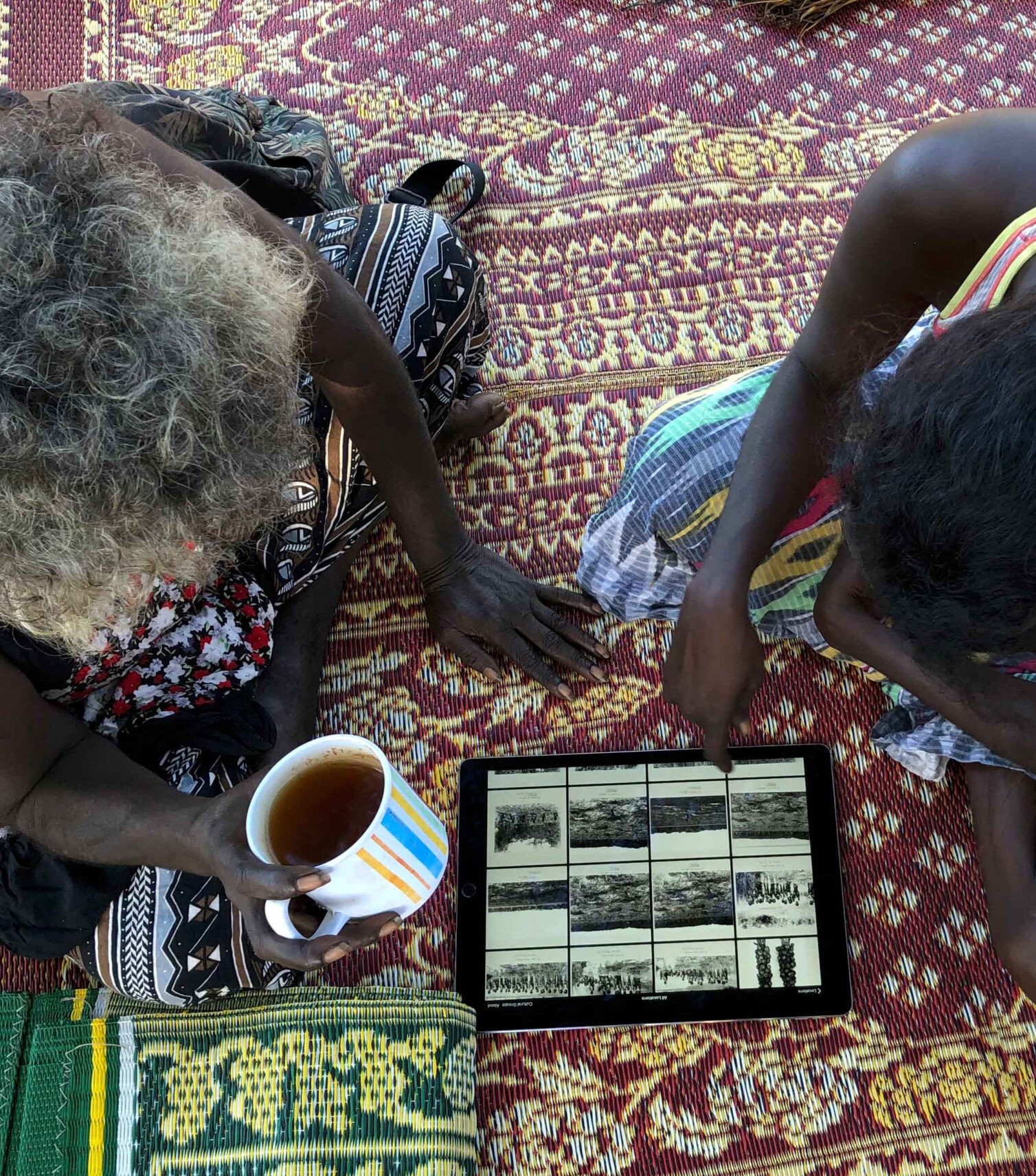
In March of this year, Milingimbi Art and Culture’s Djalkiri Keeping Place launched Djalkiri Wäŋa – The Djalkiri Database, a customised computer database that allows digital collections held in Djalkiri Keeping Place to be accessed more readily by the Milingimbi community from day to day. Designed specifically for Yolŋu access, the database centres Yolŋu worldviews, language, and relational concepts to make it easier to search and explore.
Djalkiri Keeping Place (DKP) works to digitally repatriate collections back to Milingimbi – from photos by people who have lived and worked there, to documentation of physical artworks and objects held in major national and international museums and galleries. With over 25,000 photos of people, places, artworks and objects from some 80 locations across the world now returned to DKP, along with their data, these collections can be difficult to navigate.
Djalkiri Wäŋa was created to address this, giving community easier and safer access to their historical cultural material from Milingimbi and surrounding homelands. This means all material goes through collections and cultural processes with appropriate senior Yolŋu to make sure all stories and images are open and safe for everyone to look at, and records and spelling are corrected according to Yolŋu knowledge.
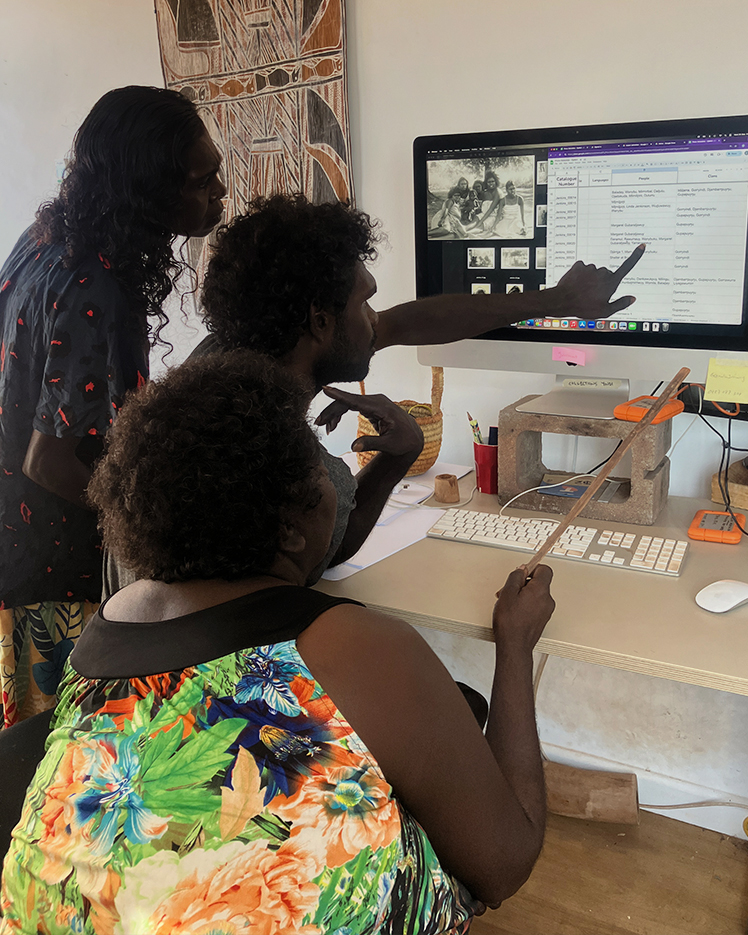
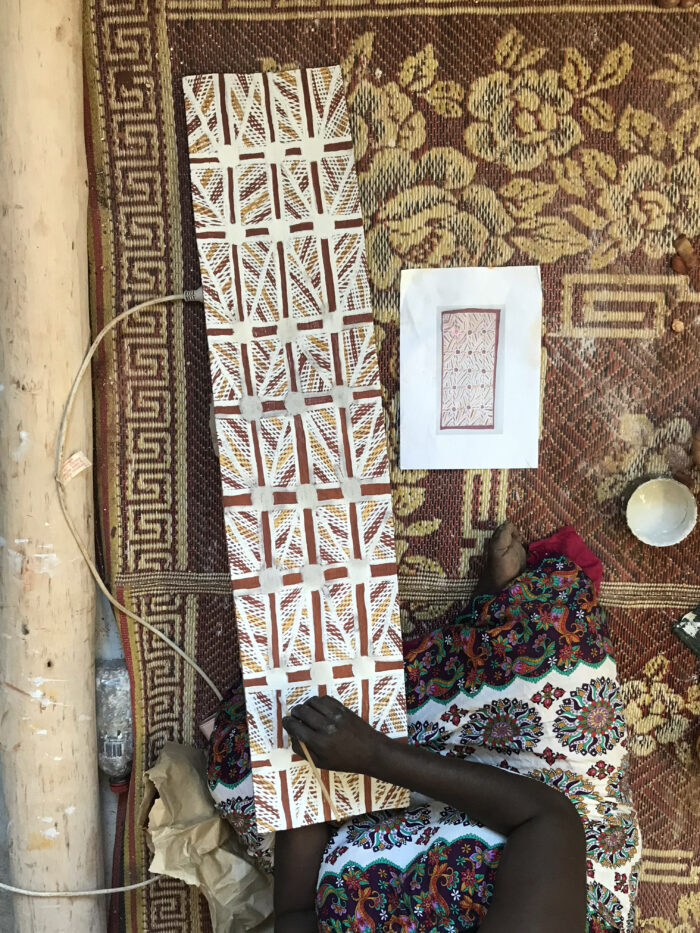
Milingimbi Arts and Culture now has over 3,500 items on the database that can be searched via their associations with Yolŋu (people), bäpurru (clan) and wäŋa (place), bringing the relational nature of Yolŋu collections to the fore. By creating links between media and these fields, their interrelationship can be explored. Ownership relations between objects and their makers are also recorded, building a web of cultural information that reflects miny’tji (design), bäpurru (clan) and gurruṯu (kinship) relations on the ground.
A story feature allows people to add their own memories, knowledge and understanding to artwork, photographs and other media. This system of documenting many perspectives reflects the process of consensus building, while also acknowledging that the ideas and language of many researchers and collectors were a product of their time and not always accurate. Stories allow for easy clarification and correction of existing documentation, inserting Yolŋu voices and authority into the narrative.
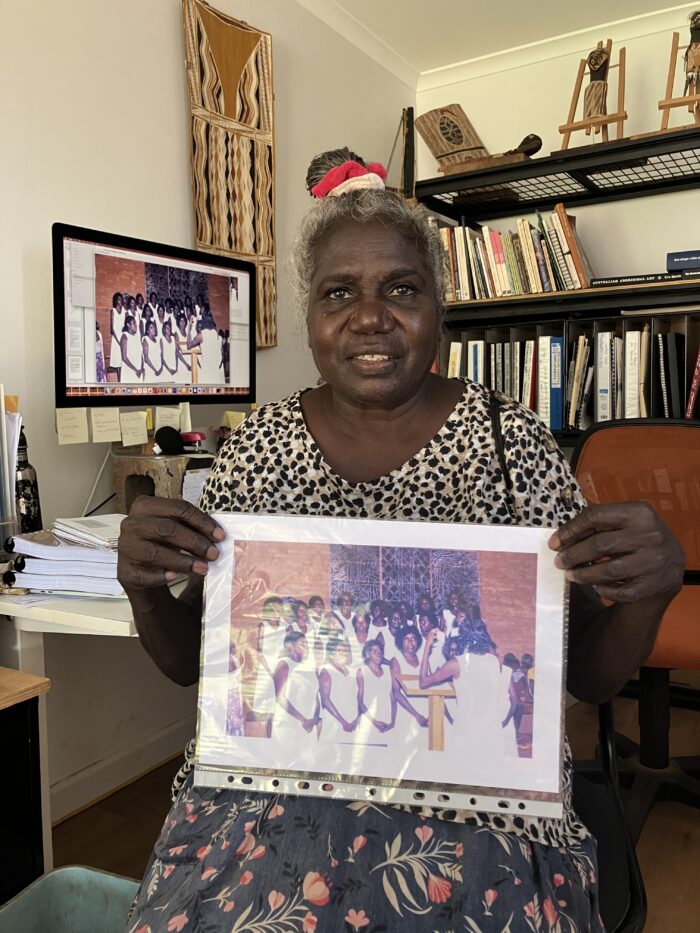
Already, Djalkiri Wäŋa is in demand from the community. Artists can find relevant historic works from their family lines that help reinvigorate cultural knowledge and important stories of places and songlines. People come to look at photos of their families, remembering their Old People, and the Old Ways. With permission, people ask for copies of photos for bäpurru (funerals), or to take home and show families.
Djalkiri staff continue to work towards growing the number of collections accessible via the database, prioritising collections that are of importance to the community. This ongoing work with senior knowledge holders and the wider community is vital for DKP, building the foundations for future generations to stand and learn on.
Djalkiri Wäŋa has been developed using a data model from the Cultural Ecology and Livelihoods Learning System (CELLS) which was developed in Indonesia by NGO The Bebali Foundation, Yayasan Pecinta Budaya Bebali in collaboration with Threads of Life and with the support of Australian Volunteers for International Development. Building on this model in collaboration with The Bebali Foundation, developer Robert Fox and the Queensland University of Technology, DKP worked with cultural leaders, artsworkers and teachers to test and develop both database systems and a user interface for use by Yolŋu.
You can read more about the history of Milingimbi and the lead up to the formation of Djalkiri Keeping Place at its website.
Milingimbi Art and Culture would like to warmly thank all the people and partners who have supported Djalkiri Keeping Place and the development of Djalkiri Wäŋa since 2020. The Tim Fairfax Family Foundation generously supported Djalkiri Keeping Place and the development of the database, including foundational resources, since 2020. Creative Australia has funded the development of the Yolŋu user interface now in use on the database. We are now working with the support of NT Aboriginal Investment to strengthen self-governance of our collections.
We also extend our heartfelt thanks to the many community members and individuals who have contributed their time, knowledge and guidance. We’re proud that these collections are increasingly accessible and visible to our community.
Cover photo: Susan Balbunga and Prescilla Gapirrawuy looking at historic photos from Milingimbi to help identify and tag people, places and clan groups.
All photos courtesy of Milingimbi Art and Culture.
Originally written and published by Milimgimbi Art and Culture on 14 April 2025.
The TFFF thanks Milingimbi Art and Culture for providing permission to reproduce this story.
Milingimbi Art and Culture was supported through the Resilience stream.